
Radiation therapy is one of the most important and effective treatments used in cancer care today. For many patients, the word “radiation” can sound intimidating, but modern radiation therapy is highly advanced, precise, and carefully planned to maximize effectiveness while minimizing side effects. Understanding how it works and what to expect can help patients feel more confident and prepared during their treatment journey.
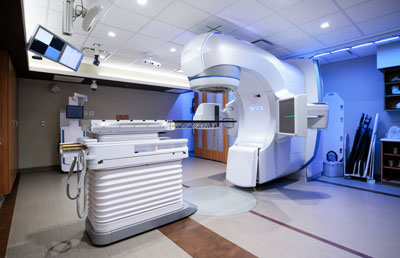
Radiation therapy uses high-energy rays or particles to destroy cancer cells. These rays damage the DNA inside cancer cells, preventing them from growing and dividing. Over time, the treated cancer cells die, and the body naturally eliminates them.
Radiation therapy may be used:
It is a localized treatment, meaning it targets a specific area of the body.
1. External Beam Radiation Therapy (EBRT)
This is the most common type. A machine called a linear accelerator delivers radiation from outside the body directly to the tumor. Advanced techniques such as IMRT and IGRT allow highly precise treatment while protecting nearby healthy tissues.
2. Brachytherapy (Internal Radiation)
In this method, a radioactive source is placed inside or very close to the tumor. This allows a high dose of radiation to be delivered directly to the cancer with minimal impact on surrounding tissues.
Before radiation therapy begins, careful planning is done to ensure accuracy and safety. This process includes:
This planning phase ensures that radiation targets only the cancer while sparing healthy organs as much as possible.
Radiation treatment is painless. Each session typically lasts 10 to 20 minutes, although the actual radiation delivery takes only a few minutes. Patients lie comfortably on a treatment table while the machine delivers radiation to the planned area.
Treatment schedules vary depending on the type and stage of cancer. Some patients receive treatment daily for several weeks, while others may require shorter courses.
Patients are not radioactive after external beam radiation therapy and can safely interact with family and friends.
Side effects depend on the area being treated, the radiation dose, and individual health factors. Modern radiation techniques have significantly reduced side effects compared to older methods.
Common temporary side effects may include:
Most side effects gradually improve after treatment ends. Doctors provide guidance and supportive care to manage symptoms effectively.
Advancements in technology have transformed radiation therapy into a highly precise and safe treatment option. Key advantages include:
It is normal to feel anxious before starting radiation therapy. Open communication with your healthcare team is important. Ask questions, discuss concerns, and understand your treatment plan. Knowledge reduces fear and helps you stay actively involved in your care.
Radiation therapy is a powerful and essential component of modern cancer treatment. With advanced technology, personalized planning, and comprehensive supportive care, it offers effective tumor control while maintaining patient comfort and safety.
Understanding the process empowers patients to approach treatment with confidence, clarity, and hope.
