
Radiation therapy is one of the most precise and technology-driven treatments in modern cancer care. However, its success depends heavily on meticulous treatment planning. Radiation treatment planning ensures that the tumor receives the correct dose while surrounding healthy tissues and critical organs are protected as much as possible.
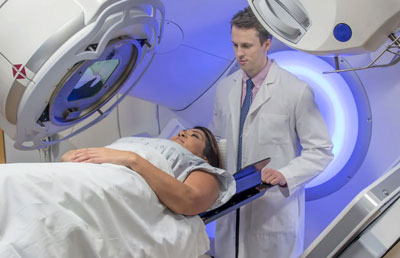
Radiation treatment planning is a detailed and systematic process carried out before the first radiation session. It involves advanced imaging, tumor mapping, dose calculation, and computer-based simulation to create a personalized treatment plan tailored to the patient’s condition.
This careful preparation helps deliver radiation accurately and safely throughout the treatment course.
Radiation must be delivered with millimeter-level precision. Even small errors in targeting can affect outcomes or increase side effects. Careful planning helps:
Modern radiation techniques such as IMRT, IGRT, VMAT, SRS, and SBRT rely heavily on precise planning. These technologies use sophisticated software and imaging guidance to shape and adjust radiation beams according to tumor size, shape, and location.
Daily image guidance further enhances accuracy by confirming correct positioning before each session.
Patients may be asked to follow specific instructions during the planning and treatment phases, such as maintaining a full bladder, fasting before sessions, or using immobilization devices. These measures improve consistency and precision in radiation delivery.
Radiation oncology teams conduct multiple safety checks before and during treatment. This includes dose verification, machine calibration, and continuous monitoring to ensure the highest standards of care.
Radiation treatment planning is the foundation of safe and effective radiation therapy. It combines medical expertise, advanced imaging, and cutting-edge technology to deliver personalized cancer treatment.
Careful planning not only improves treatment outcomes but also enhances patient safety, comfort, and overall confidence throughout the therapy process.
