
Radiation therapy is one of the most effective and widely used treatments in cancer care. However, many patients feel anxious due to common myths and misconceptions surrounding radiation. Modern radiation therapy is highly advanced, carefully planned, and designed to maximize tumor control while minimizing risks. Understanding the facts can help patients make informed and confident decisions about their treatment.
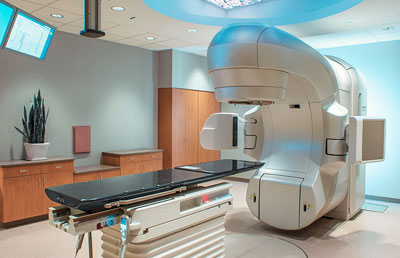
Fact: Modern radiation therapy is delivered with exceptional precision using advanced technologies such as IMRT, IGRT, VMAT, SRS, and SBRT. These techniques allow accurate targeting of tumors while protecting nearby healthy tissues. Extensive planning and safety checks ensure treatment is both effective and safe.
Fact: In external beam radiation therapy, patients do not become radioactive. It is completely safe to interact with family members, children, and others after treatment sessions. Only certain types of internal radiation (brachytherapy) may require temporary precautions, as advised by the healthcare team.
Fact: Side effects depend on the treatment area, dose, and individual factors. With modern precision techniques, most side effects are mild, localized, and temporary. Doctors closely monitor patients and provide supportive care to manage symptoms effectively.
Fact: Radiation treatment itself is painless. Patients do not feel the radiation during delivery. Each session typically lasts 10–20 minutes, and most individuals can resume normal daily activities afterward.
Fact: Radiation therapy works by damaging the DNA of cancer cells, preventing them from growing and dividing. It does not cause cancer to spread. In fact, it plays a vital role in controlling and eliminating tumors.
Radiation oncology teams follow strict safety protocols at every step. This includes:
For most patients, the benefits of radiation therapy significantly outweigh the risks. Advances in technology have greatly reduced long-term complications. Regular follow-up care ensures early detection and management of any delayed effects.
Radiation therapy is a safe, scientifically proven, and essential component of modern cancer treatment. While it is natural to have concerns, understanding the facts helps replace fear with confidence.
Open communication with your healthcare team is key to addressing doubts and ensuring a smooth and reassuring treatment experience.
