
Radiation oncology has evolved tremendously over the past few decades, transforming cancer treatment into a highly precise and technology-driven discipline. With continuous research and innovation, the future of radiation oncology promises even safer, more effective, and personalized cancer care.
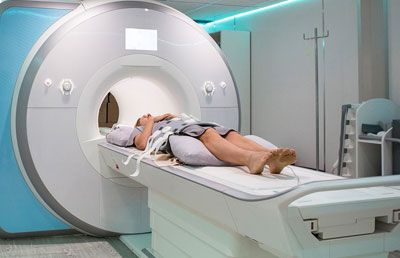
Modern techniques such as IMRT, IGRT, VMAT, SRS, and SBRT have already revolutionized radiation therapy by enabling highly accurate tumor targeting. In the future, even more refined imaging systems and real-time tracking technologies will further enhance precision, reducing side effects and improving outcomes.
Adaptive radiation therapy is an emerging approach where treatment plans can be modified during the course of therapy based on changes in tumor size or patient anatomy. This ensures optimal dose delivery throughout the treatment period and improves tumor control.
Artificial intelligence (AI) and machine learning are playing an increasingly important role in radiation oncology. AI can assist in tumor contouring, dose planning, treatment optimization, and predicting patient responses. These advancements are expected to reduce planning time while maintaining high accuracy and safety standards.
Proton therapy and other particle-based treatments are gaining attention for their ability to deliver radiation with minimal exit dose, thereby sparing healthy tissues even more effectively. As accessibility improves, these advanced modalities may become more widely available.
The future of radiation oncology lies in personalization. Genetic profiling and molecular diagnostics are helping tailor treatment strategies based on individual tumor characteristics. This approach ensures targeted therapy with maximum effectiveness and minimal toxicity.
Shorter treatment schedules, enhanced comfort measures, and improved supportive care are making radiation therapy more convenient and patient-friendly. Hypofractionated treatments, which deliver effective doses in fewer sessions, are becoming more common in selected cancers.
As cancer survival rates improve, radiation oncology is increasingly focusing on long-term quality of life. Research is directed toward minimizing late side effects, preserving organ function, and ensuring better physical and emotional recovery after treatment.
The future of radiation oncology is driven by innovation, precision, and patient-centered care. With advancements in imaging, artificial intelligence, adaptive planning, and particle therapy, cancer treatment continues to become more effective and safer than ever before.
Ongoing research and technological progress are shaping a future where radiation therapy not only cures cancer more efficiently but also enhances the overall quality of life for patients.
