
Modern radiation therapy has evolved significantly over the years, offering highly precise and effective cancer treatment options. Technologies such as IMRT, IGRT, and VMAT have transformed the way radiation is delivered, allowing better tumor targeting while minimizing damage to surrounding healthy tissues. These advanced techniques enhance treatment outcomes and improve patient safety and comfort.
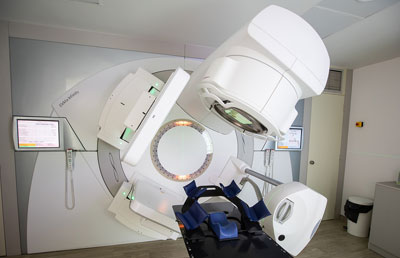
IMRT is an advanced form of external beam radiation therapy that shapes radiation beams to match the three-dimensional structure of the tumor. It modulates the intensity of each beam, allowing higher doses to be delivered directly to the cancer while reducing exposure to nearby critical organs.
IMRT is especially useful for tumors located near sensitive structures such as the spinal cord, salivary glands, heart, or bladder.
IGRT uses advanced imaging techniques during each treatment session to ensure accurate patient positioning and precise radiation delivery. Since tumors can shift slightly due to breathing, digestion, or normal body movement, IGRT helps verify the exact tumor location before delivering radiation.
This real-time imaging improves accuracy and allows for tighter treatment margins, meaning less radiation exposure to surrounding healthy tissues.
VMAT is a highly advanced radiation technique that delivers radiation continuously as the machine rotates around the patient. It combines the benefits of IMRT with faster treatment delivery. Radiation dose intensity and beam shape are adjusted dynamically during the rotation.
VMAT allows complex treatments to be delivered in a shorter time while maintaining high precision and effectiveness.
The combination of IMRT, IGRT, and VMAT ensures that radiation therapy is not only effective but also safer than ever before. These technologies work together to:
IMRT, IGRT, and VMAT are widely used in treating cancers of the head and neck, prostate, breast, lung, brain, gastrointestinal tract, and gynecological organs. Patients with tumors located near critical structures particularly benefit from these precision-based approaches.
Advancements in radiation oncology such as IMRT, IGRT, and VMAT have significantly improved the precision and safety of cancer treatment. By combining advanced imaging, accurate planning, and innovative delivery techniques, modern radiation therapy offers better tumor control with fewer side effects.
These technologies represent a major step forward in personalized cancer care, ensuring patients receive effective treatment with maximum protection of healthy tissues.
