
Radiation therapy is a highly effective and carefully planned treatment for cancer. While modern techniques are designed to minimize damage to healthy tissues, some side effects may still occur. Understanding these side effects and knowing how to manage them can help patients stay comfortable and confident throughout their treatment journey.
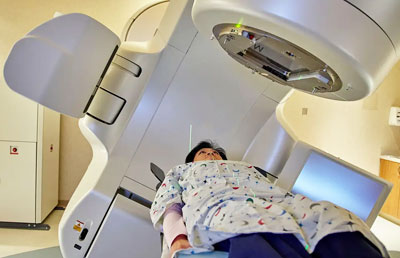
Radiation therapy targets cancer cells, but nearby normal cells may also be temporarily affected. Most side effects are localized to the area being treated and gradually improve after the completion of therapy. The severity of side effects depends on the treatment area, dose, duration, and individual health factors.
Although experiences vary from person to person, some commonly reported side effects include:
These effects are usually temporary and manageable with proper care and medical guidance.
Fatigue is one of the most common side effects during radiation therapy. It may gradually increase as treatment progresses.
The skin in the treated area may become sensitive. Gentle care is essential to prevent irritation.
Proper nutrition plays a vital role in maintaining strength and supporting recovery during treatment. Depending on the area being treated, some patients may experience difficulty swallowing, nausea, or appetite changes.
It is normal to feel anxious or emotionally overwhelmed during cancer treatment. Open communication with your healthcare team and family members can provide reassurance and clarity.
While most side effects are manageable, certain symptoms require immediate medical attention.
Modern radiation therapy is designed to be precise and safe, and most side effects are temporary. With proper guidance, supportive care, and proactive management, patients can successfully complete treatment while maintaining their quality of life.
Being informed, prepared, and actively involved in your care makes a significant difference in your overall treatment experience.
