
Stereotactic Body Radiation Therapy (SBRT) is a highly advanced and precise form of radiation treatment designed to target tumors outside the brain, particularly in the lung and liver. It delivers very high doses of radiation in a small number of sessions while minimizing exposure to surrounding healthy tissues.
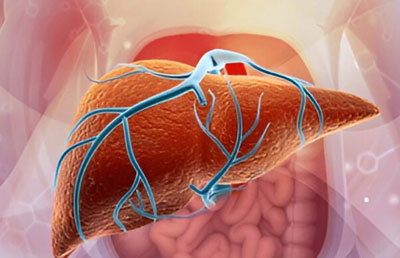
SBRT uses advanced imaging, motion management, and computer-guided planning to precisely locate tumors. Since organs like the lungs and liver move with breathing, special techniques are used to track and adjust for this movement during treatment.
Radiation beams are delivered from multiple angles, converging precisely on the tumor. This approach allows for high-dose radiation to be administered in typically 3 to 5 sessions.
SBRT is commonly recommended for:
It is especially beneficial for patients who may not be suitable for surgery due to age or other medical conditions.
Before starting SBRT, detailed imaging such as CT scans, PET-CT, or MRI is performed to map the tumor accurately. A customized immobilization device may be used to ensure consistent positioning during each session.
Advanced planning software calculates the safest and most effective radiation dose distribution to protect nearby organs such as the heart, esophagus, stomach, or healthy liver tissue.
SBRT offers several important benefits:
SBRT is generally well tolerated. Side effects depend on the treatment site.
For Lung Tumors:
For Liver Tumors:
Most side effects are temporary and manageable with supportive care.
After SBRT, regular follow-up imaging is scheduled to evaluate tumor response. Many tumors gradually shrink or stop growing over time. Continuous monitoring ensures early detection of any changes.
SBRT represents a significant advancement in radiation oncology, offering a powerful and precise treatment option for lung and liver tumors. By combining advanced imaging, motion control, and high-dose precision radiation, SBRT delivers effective tumor control with minimal impact on healthy tissues.
For many patients, SBRT provides a safe, convenient, and non-surgical alternative with excellent outcomes and improved quality of life.
