
Radiation therapy is one of the most effective and commonly used treatments for prostate cancer. With modern advancements in radiation technology, treatment is highly precise, safe, and tailored to each patient’s condition. Understanding the process and knowing what to expect can help reduce anxiety and improve confidence during treatment.
Radiation therapy may be recommended in different stages of prostate cancer, including:
It may sometimes be combined with hormone therapy for better outcomes.
1. External Beam Radiation Therapy (EBRT)
Advanced techniques such as IMRT, IGRT, and VMAT are commonly used. These methods allow precise targeting of the prostate while minimizing radiation exposure to nearby organs like the bladder and rectum.
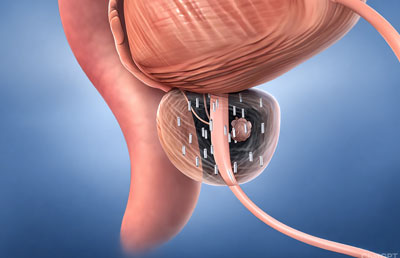
2. Brachytherapy (Internal Radiation)
In selected cases, radioactive seeds may be placed directly inside the prostate to deliver high-dose radiation locally.
Careful planning is essential to ensure accuracy and safety. The preparation phase includes:
Patients may receive instructions regarding bladder filling or bowel preparation before each session to improve treatment accuracy.
Radiation therapy sessions are painless and usually take about 15–20 minutes. The actual radiation delivery lasts only a few minutes. Most patients receive treatment five days a week for several weeks, depending on the prescribed schedule.
Patients can return home immediately after each session and continue most normal daily activities.
Side effects are generally mild and manageable due to modern precision techniques. Common side effects may include:
Most side effects improve after treatment completion. Doctors provide medications and supportive care to manage symptoms effectively.
Regular follow-up visits and PSA blood tests are important to monitor treatment response. PSA levels gradually decrease over time, indicating successful treatment.
Radiation therapy for prostate cancer is a well-established and highly effective treatment option. With advanced technologies and personalized planning, patients receive precise treatment with minimal side effects.
Being informed about the process helps patients approach treatment with clarity, confidence, and reassurance.
