
Radiation therapy plays a crucial role in the treatment of head and neck cancers. These cancers may affect areas such as the oral cavity, throat, larynx, nasal cavity, sinuses, or salivary glands. With modern radiation techniques, treatment is delivered with high precision, aiming to destroy cancer cells while preserving important functions like speech, swallowing, and breathing.
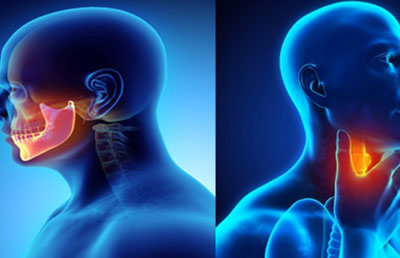
Radiation therapy may be recommended in various situations, including:
The treatment plan is customized based on the tumor location, stage, and overall health condition.
Modern technologies such as IMRT, IGRT, and VMAT are commonly used in head and neck cancers. These techniques allow precise dose distribution to irregularly shaped tumors while protecting nearby critical structures such as the spinal cord, salivary glands, jawbone, and optic nerves.
Accurate planning and daily image guidance improve treatment safety and reduce long-term side effects.
Before starting treatment, patients undergo detailed imaging and simulation. A custom-made thermoplastic mask is created to keep the head and neck stable during each session, ensuring consistent and precise radiation delivery.
Treatment sessions are painless and usually last 15–20 minutes. Radiation is typically given five days a week for several weeks, depending on the prescribed schedule.
Side effects vary depending on the treatment area and radiation dose. Common temporary side effects may include:
Supportive care, medications, and nutritional guidance help manage these symptoms effectively. Most side effects improve after treatment completion.
Maintaining adequate nutrition is essential during head and neck radiation therapy. Patients may require dietary modifications or consultation with a nutrition specialist to ensure proper calorie and protein intake.
Regular oral hygiene, hydration, and follow-up care are important to prevent complications and promote healing.
After completing radiation therapy, regular follow-up visits are scheduled to monitor response and manage any long-term effects. Imaging studies and clinical evaluations help assess tumor control and overall recovery.
Radiation therapy is a cornerstone in the management of head and neck cancers. With advanced precision techniques and comprehensive supportive care, treatment is designed to maximize tumor control while preserving quality of life.
Early diagnosis, proper planning, and consistent follow-up contribute significantly to successful outcomes in head and neck cancer care.
