
Palliative radiation therapy focuses on relieving symptoms caused by cancer rather than curing the disease. It is an important component of supportive cancer care, especially in advanced stages. By reducing pain, bleeding, pressure, or other distressing symptoms, palliative radiation significantly improves comfort and overall quality of life.
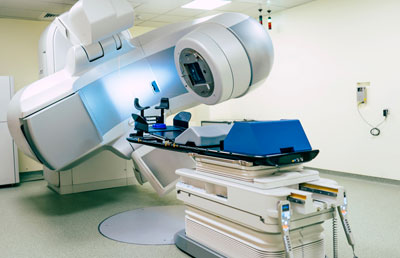
Palliative radiation therapy may be advised in situations where cancer has spread or is causing significant symptoms. Common indications include:
The goal is symptom control, functional improvement, and enhanced comfort.
Radiation therapy uses focused high-energy beams to shrink tumors and reduce pressure on surrounding tissues. Even a few treatment sessions can provide significant symptom relief.
Compared to curative radiation, palliative treatments are usually shorter, often delivered in a single session or over a few days, depending on the patient’s condition.
The procedure is painless and non-invasive. Each session typically lasts 10–20 minutes. The treatment plan is carefully customized to maximize relief while minimizing side effects.
Most patients can continue their daily activities with minimal disruption.
Symptom improvement may begin within days to weeks after treatment.
Side effects are usually mild and depend on the treated area. They may include:
Supportive medications and close monitoring help manage symptoms effectively.
Palliative radiation therapy is often part of a comprehensive care plan that may include pain management, medications, nutritional support, and emotional counseling. The focus is always on patient comfort, dignity, and overall well-being.
Palliative radiation therapy plays a vital role in improving the quality of life for patients with advanced cancer. By effectively controlling symptoms and reducing discomfort, it allows patients to maintain independence and comfort during challenging times.
With personalized planning and compassionate care, palliative radiation offers meaningful relief and support when it is needed most.
